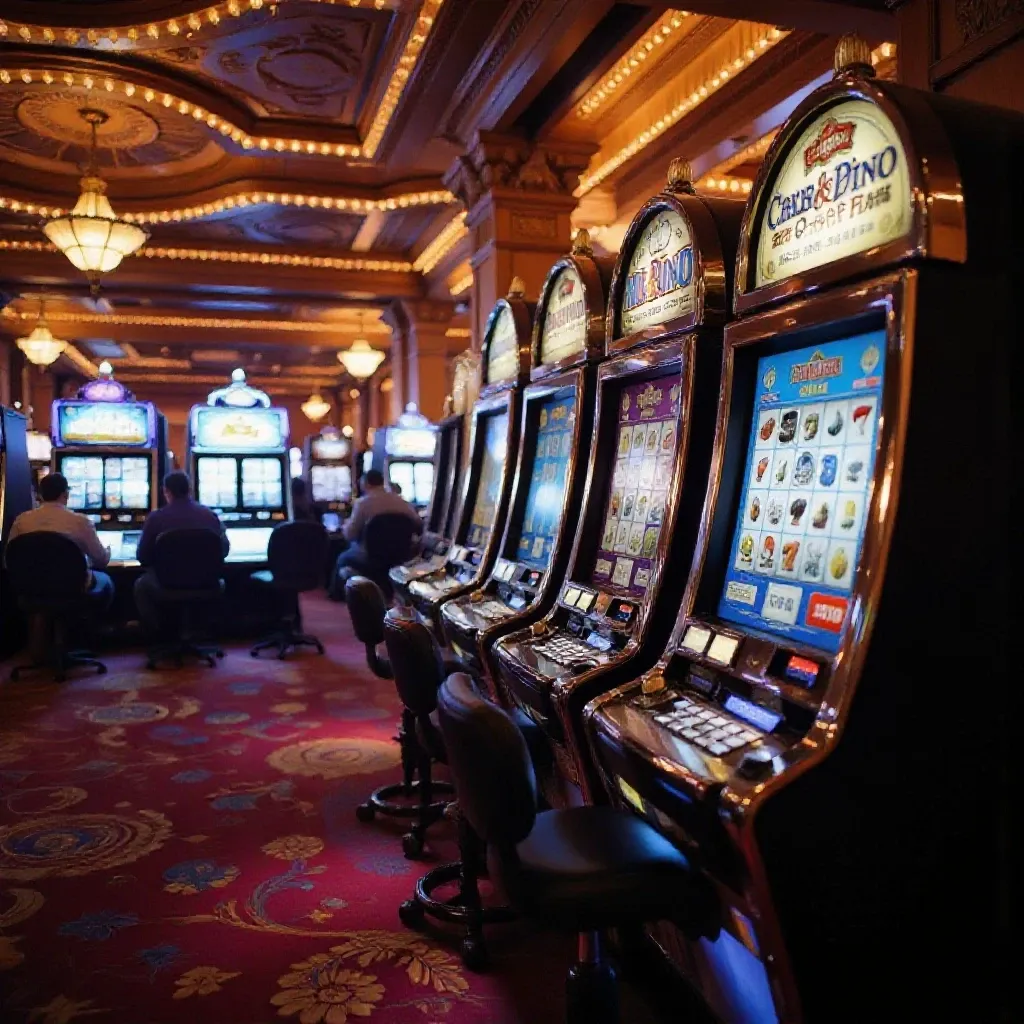
I once saw a guy at a casino, dead serious, tell his buddy, “Nah, man, gotta play the slots on Saturday. That’s when they loosen ’em up.” He was convinced the casino gods smiled on weekend gamblers, showering them with better odds. This belief, that casino odds magically shift in your favor on weekends, is surprisingly common.
The idea is tempting: casinos are busier on weekends, so they allegedly boost payouts to keep players happy and coming back for more. But is there any truth to it? Are slot machine payouts actually higher on Saturdays and Sundays?
Spoiler alert: the notion that casino games offer better odds on weekends is largely a myth. This article will explore the reality behind casino odds, revealing how they work and why the day of the week has little to do with your chances of winning. Remember, gambling should always be approached responsibly, understanding the odds and setting limits.
The Weekend Casino Myth: Fact or Fiction?
The persistent notion that casinos deliberately increase slot machine payouts on weekends is, unequivocally, a myth. Despite its widespread acceptance among gamblers, there’s no factual basis to support the claim that casinos manipulate slot machines to be more generous on Saturdays and Sundays.
These kinds of casino myths tend to flourish because human beings are hardwired to seek patterns, even where none exist. A few lucky weekend wins can easily be misconstrued as evidence of a deliberate strategy on the casino’s part, solidifying the gambler’s belief. In reality, the apparent increase in payouts is simply a result of random chance and the higher volume of players present during peak hours.
Slot machines, and most casino games, operate using random number generators (RNGs). These sophisticated algorithms ensure that every spin is an independent event, with no connection to previous outcomes or the time of week. Gaming regulations in most jurisdictions further reinforce this principle by mandating regular audits and certifications to ensure fairness and randomness. Experts in the gaming industry consistently debunk the idea that casinos can subtly adjust payout percentages on specific days. The odds remain the same, regardless of whether it’s a Tuesday morning or a Saturday night. Any perceived difference is purely a trick of the mind and the statistical noise inherent in gambling.

Understanding How Slot Machines Really Work
Slot machines, those flashing, spinning icons of chance, operate on principles of complex technology, ensuring fair play through randomness. At the heart of this technology lies the Random Number Generator (RNG), a sophisticated algorithm that dictates the outcome of every spin. Alongside the RNG, Return to Player (RTP) determines the likelihood of winning.
The Power of the Random Number Generator (RNG)
The Random Number Generator (RNG) is the bedrock of fair and random outcomes in slot machines. This isn’t about pre-programmed sequences or predictable patterns; the RNG is constantly running, spitting out number sequences faster than the eye can blink, whether the machine is in use or sitting idle. The moment you hit that ‘spin’ button, the RNG grabs the current number it’s displaying, and that number alone determines the position of the reels and ultimately, the result of your spin. This system is entirely memoryless; past spins have absolutely no bearing on future outcomes. Every spin is a fresh start, a truly random event dictated by the RNG’s unwavering stream of numbers. It’s also why strategies that claim to predict or manipulate slot outcomes are fundamentally flawed. Games of chance are designed so everyone can have an equal opportunity to win.
Decoding Return to Player (RTP)
While the RNG governs the randomness of each spin, Return to Player (RTP) provides insight into the theoretical payout percentage of a slot machine over an extended period. RTP is calculated based on extensive simulations. For example, a slot machine with a 96% RTP is designed to return $96 for every $100 wageredover millions of spins*. However, it’s crucial to grasp that RTP is a long-term average, and not a guarantee. In the short term, your results can vary wildly. You might win big, or you might experience a losing streak. RTP is a statistical measure that reflects the game’s behavior over a massive number of spins, not a promise of what you’ll experience in any single session. Also, the RTP is set by the game developer and the casino can’t change it.
The Truth About Casino Regulations and Oversight
The world of casinos operates under a microscope of regulation, designed to ensure fair play and maintain public trust. Gaming commissions act as the guardians of this fairness, meticulously overseeing every aspect of casino operations, from the spin of a roulette wheel to the payout of a slot machine. These commissions aren’t just rubber stamps; they are powerful entities with the authority to investigate, audit, and penalize casinos that violate regulations.
One of the primary focuses of casino regulations is the integrity of slot machines. Contrary to some beliefs, casinos cannot simply flip a switch to alter payout percentages on a whim. The process is far more complex and rigorously controlled. Consider the Nevada Gaming Control Board, one of the most respected regulatory bodies in the industry. Any modification to a slot machine’s payout programming requires extensive documentation, meticulous auditing, and, most importantly, prior approval from the regulatory body.
Each change, no matter how minor, is scrutinized to guarantee that it aligns with established fairness standards. This multilayered oversight provides a safety net, preventing any possibility of manipulation. Casinos understand that their reputation is their most valuable asset. A single instance of proven cheating could have devastating consequences, leading to hefty fines, license suspension, or even permanent closure. This inherent understanding combined with strict regulatory enforcement keeps casinos committed to operating with transparency and integrity, contributing to the longevity, trust and safety of the casino world and its players.
Debunking Common Casino Myths
The allure of the casino is often intertwined with a web of myths and superstitions, beliefs that can cloud judgment and lead to misguided decisions. Let’s pull back the curtain and expose some of the most pervasive casino myths for what they are: just that, myths.
One of the most enduring is the belief in “hot” and “cold” slots. The idea is that some machines are on a winning streak, ready to burst, while others are dormant, unlikely to pay out. This is completely false. Modern slot machines are governed by Random Number Generators (RNGs). Each spin is an independent event, unaffected by previous outcomes. A machine that just paid out a jackpot is just as likely (or unlikely) to pay out again on the next spin. There’s no memory, no pattern, just pure chance at work.
Similarly, the concept of “lucky streaks” is a fallacy. While it’s true that gamblers can experience periods of winning, attributing this to luck rather than chance is misleading. The odds remain the same on every game. It’s easy to remember the wins and conveniently forget the losses, creating a skewed perception of reality.
Another misconception revolves around the mechanics of slot machines themselves. Some players believe that pulling the lever increases their chances of winning compared to pushing the button. This is simply not true. Whether you yank the lever or tap the button, the RNG determines the outcome. The lever is mostly there for nostalgic reasons, a vestige of the past that has no impact on the game’s result. There is no way to know the outcome in advance.
Perhaps the most dangerous of all casino myths is the Gambler’s Fallacy. This is the mistaken belief that if something happens more frequently than normal during a given period, it will happen less frequently in the future (or vice versa). For example, if a roulette wheel lands on black five times in a row, some gamblers might assume that red is “due” to hit next. But the wheel has no memory. Each spin is independent, and the odds of landing on red remain the same, regardless of what happened before. The same principle applies to all casino games based on chance. Don’t let false beliefs influence your decisions.
Strategies for a Better Casino Experience
Casinos offer an exciting and stimulating atmosphere, but maximizing enjoyment requires a strategic approach. It’s about understanding how to play smart, manage expectations, and prioritize responsible gambling. The goal is to enhance the overall experience, ensuring entertainment remains the primary focus.
Responsible Gambling: The Foundation of Fun
Before even stepping foot in a casino, establishing a clear understanding of responsible gambling is paramount. This means recognizing the potential risks involved and proactively implementing strategies to mitigate them. Responsible gambling isn’t about eliminating the fun; it’s about preserving it by preventing gambling from becoming a problem.
Budget Management: Play Smart, Not Hard
Successful casino strategy begins with meticulous budget management. Determine a specific amount of money allocated solely for gambling activities. This should be an amount you are comfortable losing without impacting your financial stability. Treat this money as entertainment expense, similar to tickets for a show or a sporting event.
Once a budget is set, unwavering commitment is crucial. Avoid the temptation to exceed pre-defined limits, regardless of whether you are winning or losing. Chasing loses is a common pitfall which can rapidly deplete funds and escalate into problematic behavior.
Setting Limits: Know When to Stop
In addition to budget, establish time limits for gambling. The casino environment is designed to be immersive and can easily cause track of time. Decide in advance how long to gamble, and strictly adhere to that schedule. Set an alarm as a reminder to take breaks or end session.
Furthermore, it’s important to define win/loss limits. Determine an acceptable profit target, and when that target is reached, stop gambling. Similarly, set a maximum loss amount, and when threshold is reached, end the session, regardless of how close you might be to winning it back.
Informed Decisions: Understanding the Game
Increase the odds of positive experience by making informed decisions about the games played. Research the house edge for different casino games and focus on those with better player odds. Understand the rules and strategies involved to make informed wagers. This doesn’t guarantee victory, but it significantly increases the chances of making smart plays.
Gambling as Entertainment: The Right Mindset
Ultimately, the key to a better casino experience lies in the perspective. View gambling as form of entertainment and not as a source of income. Embrace the excitement and thrill of the game, but always remember that the house has an edge. By managing expectations, making informed decisions, and practicing responsible gambling, you can maximize enjoyment and minimize the risk of negative consequences.
Conclusion
In conclusion, the allure of weekend gambling and the hope for improved casino odds are largely misconceptions. Slot machine payouts and other casino game odds are dictated by sophisticated Random Number Generators and reinforced by strict regulations. These systems ensure fairness and unpredictability, irrespective of whether it’s Monday morning or Saturday night. The games of chance operate the same way every time.
Remember, the key to enjoying casinos is to approach them responsibly. Understand that winning is never guaranteed, and the primary goal should be entertainment. Embrace the thrill of the game but remain mindful of your spending and time. By gambling responsibly, you can savor the casino experience without succumbing to false expectations and ensuring a fun, secure, and sustainable pastime.