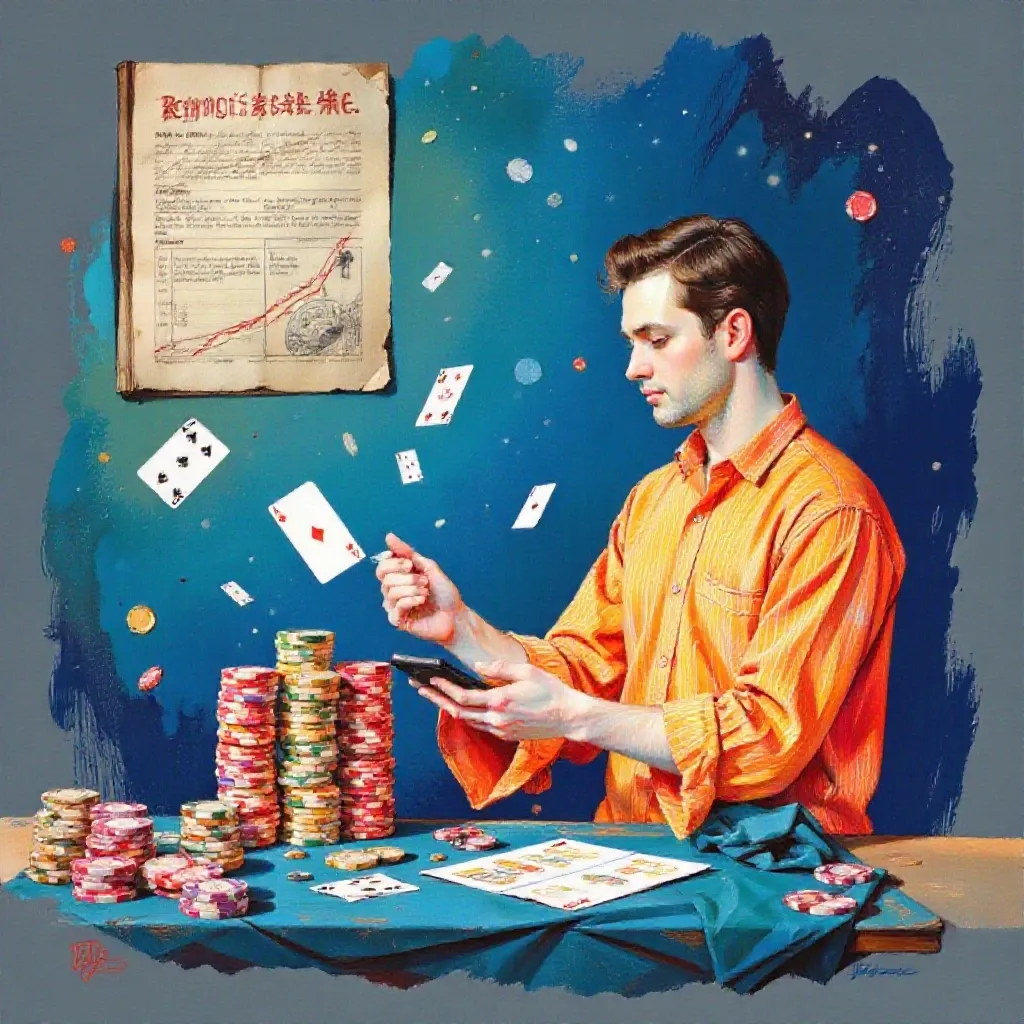
Gambling, a pastime enjoyed by millions, often conjures images of flashing lights and high-stakes thrills. While the allure of winning big is undeniable, it’s crucial to recognize that gambling, like any other potentially addictive activity, demands a mindful approach. It’s more than just luck; it’s about making informed choices that protect your financial stability and overall well-being.
Responsible gambling isn’t about killing all the fun. It’s about risk management and integrating gambling safely into a balanced lifestyle. This article aims to redefine our perception of betting, viewing it not as a harmless escape but as an activity that requires conscious moderation. We will explore the profound connection between responsible gambling and longevity, emphasizing how making smart choices translates to a healthier, more fulfilling life.
We’ll uncover practical strategies for managing your betting habits, understand the warning signs of problem gambling, and highlight how a responsible approach actually can enhance your enjoyment of this form of entertainment. Managing your risks wisely, is key to a lifestyle that supports long-term well-being.
Defining Responsible Gambling
Responsible gambling is about keeping gambling a fun and harmless pastime. It means understanding the odds, setting limits, and knowing when to stop. It’s about approaching gambling with moderation and a clear awareness of the risks involved. This involves setting strict gambling limits, both in terms of time and money. Before even placing a bet, a responsible gambler decides how much they’re willing to spend and how long they’ll play, and sticks to those limits no matter what. Understanding the odds of the games being played is also crucial. It’s easy to get caught up in the excitement, but knowing the actual chances of winning helps in making informed decisions. A key aspect of responsible gambling involves avoiding chasing losses. This is a common trap where gamblers try to win back money they’ve lost by betting more and more, often leading to even greater losses. Recognizing when to stop, whether ahead or behind, is a hallmark of responsible gambling.
It’s important to dispel some common myths about gambling. One such myth is that gambling is a guaranteed way to make money. In reality, gambling is a game of chance, and the odds are often stacked against the player. Another myth is that chasing losses will eventually lead to a win. This is a dangerous mindset that can lead to financial ruin. Responsible gambling is the polar opposite of problem gambling, which is characterized by loss of control, financial difficulties, and negative impacts on relationships and mental health.
Understanding the spectrum of Gambling behavior
Gambling behavior exists on a spectrum, ranging from casual, recreational play to severe addiction. A casual gambler engages in gambling activities occasionally, treating it as a form of entertainment. They are able to maintain control over their spending and time, and gambling does not negatively impact their life. They set limits and stick to them, understanding that gambling is not a reliable source of income.
On the other end of the spectrum lies the gambling addict. This individual experiences a compulsive urge to gamble, often leading to significant financial, personal, and professional consequences. They may chase losses, gamble with money they cannot afford to lose, and experience feelings of guilt, shame, and despair. Gambling becomes the central focus of their life, neglecting responsibilities and relationships. The line between casual gambling and problem gambling can be blurry, and it’s important to be aware of the warning signs of developing a gambling problem. These signs include gambling more frequently or for longer periods, increasing bet sizes to achieve the same level of excitement, borrowing money to gamble, and lying to others about gambling habits. Seeking help early is crucial in preventing gambling addiction from spiraling out of control.
The Risks of Uncontrolled Gambling
Gambling as a Public Health Issue
Uncontrolled gambling is a public health issue with the potential to negatively impact many areas of a person’s life. The consequences of gambling addiction extend far beyond just losing money. For many, it spirals into serious financial turmoil, wreaks havoc on mental well-being, and damages relationships with family and friends. Gambling’s negative impact is often underestimated, but it’s a serious problem.
Financially, the risks are substantial. Problem gambling may lead to mounting debt, potentially resulting in bankruptcy. Individuals might gamble away their assets, savings, and even property in an attempt to chase losses or get that next big win. This can create a cycle of borrowing, gambling, and losing, making it difficult to escape.
The impact on mental health is equally concerning. The stresses associated with gambling addiction may trigger anxiety, depression, and feelings of helplessness. The constant pressure to gamble and the fear of losing can become overwhelming. In some severe cases, it may contribute to suicidal thoughts.
Moreover, gambling addiction puts significant strain on relationships. The secrecy, lies, and financial instability created by problem gambling can erode trust between partners, family members, and friends. Relationships often suffer as a result of broken promises and the diversion of resources to fund the gambling habit. This may lead to isolation, alienation, and the breakdown of important support networks.
While less commonly discussed, unhealthy gambling can also contribute to physical health issues. Stress and anxiety may disrupt sleep patterns, leading to sleep deprivation. Poor eating habits may develop as individuals prioritize gambling over proper nutrition. In addition, the chronic stress associated with gambling addiction may increase the risk of stress-related illnesses such as high blood pressure and heart problems.

The Link Between Mental Wellbeing and Gambling Habits
Gambling, for many, is a form of entertainment, a harmless flutter to add a little excitement. However, beneath the surface of flashing lights and spinning reels lies a complex interplay of psychological factors that can significantly impact mental well-being. Understanding these factors is crucial for preventing problem gambling and promoting healthier behaviors.
One key aspect is the role of cognitive biases. These mental shortcuts, while often helpful, can lead to distorted perceptions in the gambling environment. For example, the gambler’s fallacy – the belief that past events influence future independent events (thinking a string of losses makes a win more likely) – can fuel continued gambling despite mounting losses. Similarly, the illusion of control, where individuals overestimate their ability to influence game outcomes, can lead to riskier bets and a false sense of security.
Emotional triggers also play a significant role. Stress, boredom, impulsivity, and even loneliness can trigger gambling urges. People may turn to gambling as a coping mechanism, seeking temporary relief from negative emotions. The immediate gratification, however fleeting, can reinforce this behavior, leading to a vicious cycle. Gambling psychology studies the sensation-seeking connected with addiction and mental issues.
Furthermore, certain personality traits are associated with a higher risk of problem gambling. Impulsivity, characterized by acting without thinking, can make it difficult to resist the urge to gamble. Sensation-seeking, the desire for novel and intense experiences, can also contribute to increased gambling behavior.
In conclusion, the relationship between gambling and mental health is intricate. By acknowledging the power of gambling psychology, cognitive biases, emotional triggers, and individual impulsivity, individuals can take proactive steps to mitigate risks and safeguard their mental well-being.
Strategies for Responsible Gambling
Gambling can be a thrilling form of entertainment, but it’s important to approach it responsibly to prevent it from becoming a problem. Implementing effective gambling strategies is essential for maintaining control and ensuring that gambling remains a fun and harmless activity. Here’s how you can do it.
Setting Realistic Limits
One of the most effective ways to gamble responsibly is to set limits on both time and money before you even start. Decide how much money you can afford to lose and stick to that budget. Similarly, determine how much time you want to spend gambling and set a timer to remind you when your time is up. These limits should be realistic and based on your financial situation and other commitments. Once you reach your limit, stop gambling, regardless of whether you are winning or losing.
Budgeting and Tracking Spending
Keeping track of your gambling spending is crucial for staying in control. Use budgeting apps or spreadsheets to monitor your wins and losses. This will give you a clear picture of how much money you are actually spending on gambling. Regularly reviewing your spending habits will help you identify any potential problems early on and make necessary adjustments to your gambling behavior.
Mindfulness and Self-Control
Mindfulness techniques can be powerful tools for managing impulses and making rational decisions while gambling. Practices like meditation and deep breathing exercises can help you stay calm and focused, preventing you from making impulsive bets. When you feel overwhelmed or stressed, take a moment to pause, breathe deeply, and regain your composure before continuing. Developing self-control will enable you to make informed choices rather than being driven by emotions.
Alternative Activities
If you find yourself frequently turning to gambling, it may be helpful to explore alternative activities that you enjoy. Hobbies, social events, and exercise can provide fulfilling alternatives to gambling. Engaging in these activities can reduce the urge to gamble and improve your overall well-being. Consider taking up a new hobby, joining a sports team, or volunteering in your community to fill your time with positive and rewarding experiences.
Recognizing Your Limits
Everyone has different limits when it comes to gambling. It’s important to understand your own personal limits and stay within them. If you notice that gambling is causing you stress, anxiety, or financial problems, it’s time to take a step back and reassess your gambling habits. Recognizing your limits and seeking help when needed is a sign of strength and responsibility. Remember, gambling should be a source of entertainment, not a source of stress or financial hardship.
Building a Balanced Lifestyle
Crafting a satisfying life goes way beyond just avoiding gambling problems. It’s about weaving responsible choices into a vibrant tapestry of well-being. Think strong connections with friends and family, a body that feels good, and a mind that’s resilient to stress. Strong social bonds act as a natural safeguard, offering support and perspective that can help keep gambling in check. When individuals feel connected and valued, they’re less likely to turn to gambling as a source of comfort or escape.
Get that body moving! Regular physical activity is a fantastic mood booster and stress reliever. It doesn’t have to be marathon training; even a brisk walk or a dance session can make a difference. Exercise releases endorphins, which have mood-boosting effects, and it can also improve sleep and reduce anxiety.
Life throws curveballs, so having stress-management tools is essential. Explore relaxation techniques like deep breathing, meditation, or yoga. Dive into hobbies that spark joy and provide a sense of accomplishment. Don’t hesitate to seek professional help if stress feels overwhelming. A therapist can equip you with coping strategies and help you navigate challenges.
Ultimately, a balanced lifestyle is about perspective. It’s recognizing that gambling is just one small piece of the puzzle. By nurturing healthy relationships, prioritizing physical activity, and effectively managing stress, individuals can create a more fulfilling and resilient life, where gambling doesn’t take center stage.

Seeking Help and Support
Recognizing a gambling problem is the first step towards recovery, and numerous resources are available to provide support and guidance. It’s essential to remember that seeking help is a sign of strength, not weakness.
Support Groups
Support groups offer a safe and understanding environment where individuals can share their experiences and learn from others facing similar challenges. Gamblers Anonymous (GA) is a well-known international fellowship of men and women who share their experiences, strength, and hope with each other to solve their common problem and help others to recover from a gambling problem.
Therapy Options
Professional therapy can provide individuals with the tools and strategies needed to overcome gambling addiction. Cognitive Behavioral Therapy (CBT) helps individuals identify and change negative thinking patterns and behaviors associated with gambling. Motivational Interviewing is another effective approach that helps individuals explore their ambivalence about change and develop intrinsic motivation to stop gambling.
Helplines and Resources
Confidential and immediate support is available through national helplines. The National Problem Gambling Helpline offers 24/7 assistance via phone and text. Many websites and apps provide information, self-assessment tools, and resources for managing gambling urges and behaviors. These resources can be invaluable in developing coping mechanisms and preventing relapse. Don’t hesitate to reach out and explore the available support systems – recovery is possible.
Conclusion
In conclusion, the principles of responsible gambling are not merely a set of rules, but rather a vital component of a fulfilling and healthy life. By understanding the risks, setting clear boundaries, and making informed choices, individuals can enjoy gambling as a form of entertainment without jeopardizing their financial stability, mental health, or relationships.
The link between responsible gambling and overall well-being is undeniable. Prioritizing prevention and proactive management of gambling habits are essential steps toward ensuring longevity and a higher quality of life.
It’s also worth noting that policy actions play a significant role in preventing gambling-related harm, as emphasized by research. By advocating for responsible gambling practices and supporting policies, we can create a safer environment for everyone.
Share this information with others and remember, if you or someone you know needs help, resources are available. Taking control of gambling habits is a sign of strength, and it’s never too late to seek support.